

Hunger Isn’t a Lack of Willpower
Taming appetite by fixing your brain’s reward system and mineral balance.
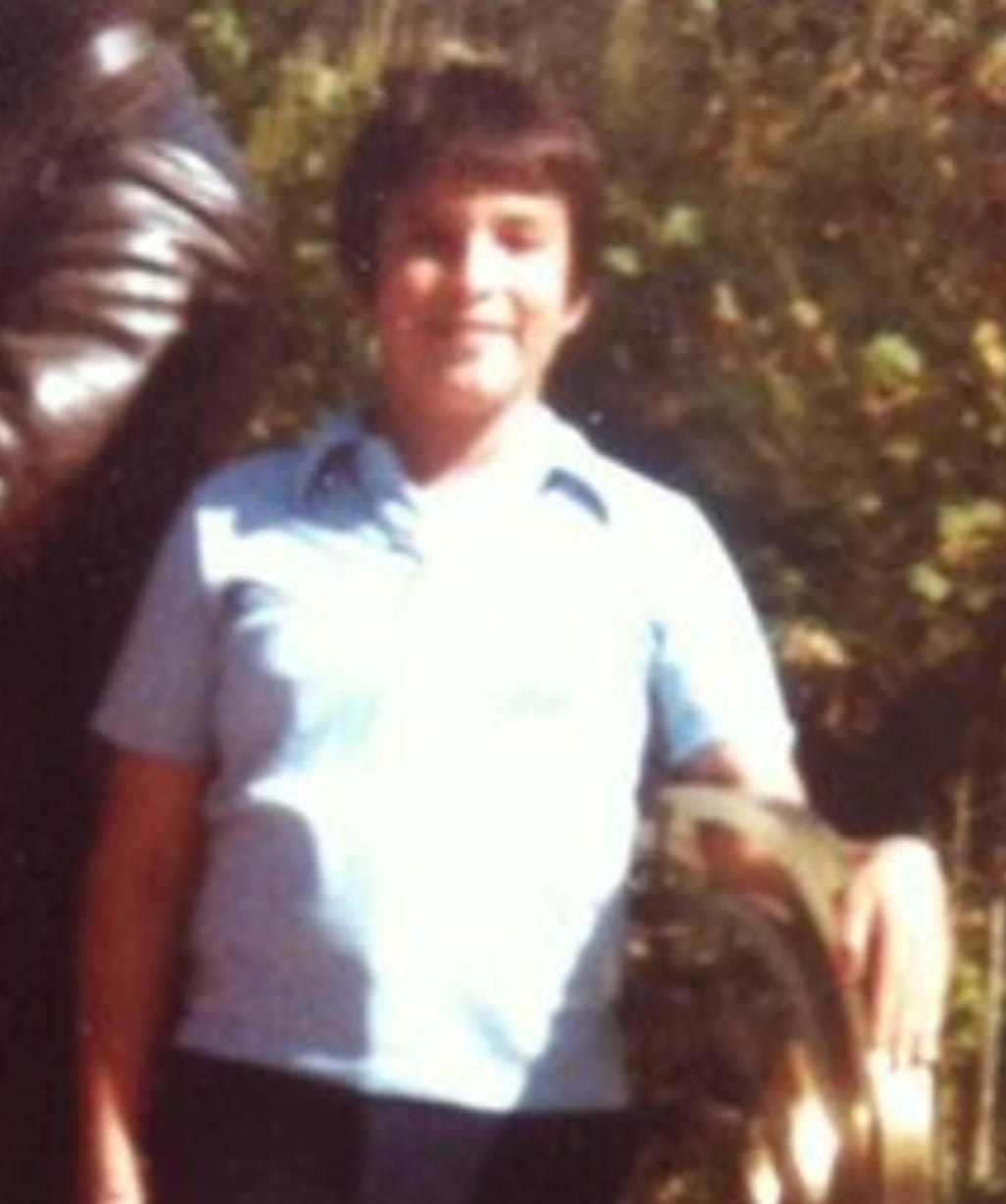
I was eleven years old when I first felt ashamed of my hunger. Other kids had cruel names for me (“fatty butt” was a favorite), and every tease drove me to sneak more snacks for comfort . Hunger became my enemy, something I thought I had to beat with sheer willpower. Decades later, I see so many of us – especially in midlife – still fighting that same fight, blaming ourselves whenever we feel cravings or “lack discipline” with food.
But what if I told you hunger is not a character flaw? What if your constant cravings aren’t because you’re weak or greedy – but because your body and soul are desperately asking for something they’re not getting? In fact, emerging science reveals that much of our insatiable hunger comes down to a surprising culprit: mineral deficiencies and dopamine imbalances in the brain. Meanwhile, the latest weight-loss obsession – GLP-1 drugs like Ozempic – completely misses this point. We’re trying to silence hunger with medication instead of healing the reasons it’s screaming in the first place .
Hunger Isn’t a Lack of Willpower – It’s Biology
If you’ve been trying to white-knuckle your appetite, hear this: hunger isn’t just “in your head.” It’s deeply biological. After years of working with clients, I’ve learned that hunger is often the result of something missing in the body. Specifically: minerals.
For decades, we’ve been told to cut down on salt for our health. At the same time, modern farming has stripped our soils of nutrients. The result? Our food today has far less sodium, potassium, and magnesium – the very minerals that help regulate appetite . When those minerals run low, your body stays hungry no matter how much “willpower” you wield. You get constant cravings because your cells are literally crying out for the missing pieces.
Dr. James DiNicolantonio, a cardiovascular research scientist and author of The Salt Fix, has shown just how crucial salt is. Without enough sodium, he notes, we can actually gain weight, feel fatigued, get dizzy, and start craving sugar and refined carbs . In essence, a lack of salt and other key minerals makes your body act like it’s starving, driving you to overeat.
He explains why: when an essential nutrient is missing, our brain’s reward center kicks into overdrive to motivate us to find it. According to Dr. James, if a mammal is deficient in something vital like salt, its brain increases dopamine (the pleasure chemical) to push it to seek out that nutrient . That dopamine surge makes finally getting salt feel euphoric – a “reward” high for the body. Here’s the catch: if we don’t realize salt is what we need, we might reach for other dopamine-triggering treats instead (hello, cookies and chips). And unlike salt, which has a built-in off-switch (ever notice how food tastes too salty when you’ve had enough?), sugar has no natural brake – the more you eat, the more you want . So a mineral-deprived body can easily lead to sugar addiction and constant cravings.
History gives us clues to this truth. For most of human existence, salt was as treasured as gold. The Roman economy was built on salt; soldiers received a salarium (from which we get the word “salary”) partly to buy this essential mineral. Wars were fought over salt routes. Our ancestors knew, instinctively, that salt was life. Fast forward to today: we’ve demonized salt so much that many people are deficient without even knowing it. Add to that the fact that our soil is depleted of magnesium and other nutrients, and even a “healthy” diet might leave you lacking . Is it any wonder our bodies are ramping up hunger signals? They’re trying to save us, not sabotage us.
GLP-1 Drugs: A Band-Aid Fix with Hidden Barbs
For millions of people, GLP-1 agonist drugs (like Ozempic, Wegovy, Mounjaro) have been hyped as a miracle. These medications – originally designed for type 2 diabetes – mimic a gut hormone that tells your brain “I’m full.” The result: you feel less hungry, you eat less, and you lose weight. It sounds like a dream solution, and I’ll be honest, for some patients with severe obesity or diabetes, these drugs can be a helpful jump-start.
But here’s the catch: they were never meant to be everyday lifestyle drugs for otherwise healthy people. Using a GLP-1 injection as a daily crutch to avoid hunger is like unplugging your house’s fire alarm because you don’t like the noise. Sure, you won’t hear the alarm anymore – but the fire is still burning. Hunger is a signal, not a sickness. If we just silence the signal, the real problems (mineral imbalances, emotional voids) remain untouched .
And like any quick fix, GLP-1s come with side effects and risks. The most common complaints aren’t pretty: constant nausea, vomiting, diarrhea, and gnawing constipation are reported by many users . Basically, these drugs slow your digestion to a crawl – so food sits in your stomach longer. That might keep you full, but it can also feel miserable. Some patients on GLP-1s have ended up with such slowed digestion that they experience stomach paralysis or severe bowel blockages.
Recent research is raising even more red flags. A major 2025 study of nearly 2 million people found that while GLP-1 users had certain health improvements, they also had an 11% higher risk of arthritis and a 146% higher risk of pancreatitis (a potentially deadly pancreas inflammation) compared to people on other treatments . Pancreatitis is serious – not a risk you want to toy with just to fit into your old jeans. There have even been reports (and subsequent official warnings) of GLP-1 drugs being linked to depression and suicidal thoughts in some patients . It’s not yet proven to be a direct cause, but regulators are concerned enough to monitor mood changes in anyone taking these meds.
And there’s more: because GLP-1 drugs make you eat so much less, you don’t just lose fat – you can lose muscle, too. In fact, about 15–25% of the weight lost on GLP-1s is lean muscle mass . Losing muscle is the last thing midlife adults need; it slows your metabolism and weakens your strength. Experts are already urging anyone on these drugs to do strength training and eat plenty of protein to minimize muscle loss . Essentially, you have to fight to keep your muscle because the drug isn’t smart – it just reduces everything, not just fat.
Perhaps the biggest letdown of all is what happens when people stop taking these injections. The hunger comes roaring back. Many folks find that unless they fundamentally change their habits, the weight they lost starts creeping on again once the weekly shot wears off. It makes sense – the drug didn’t fix why you were overeating; it just put a muzzle on your appetite for a while. As soon as the muzzle is off, the old signals resume. No one wants to be married to a medication for life, especially one that can cost over $1,000 a month, requires needles and refrigeration, and comes with so many question marks. That’s not a “cure” – that’s a costly Band-Aid.
GLP-1 drugs have a place in medicine, but let’s be clear: they’re a tool, not a silver bullet. Yes, they can help break a cycle of overeating temporarily. But using them long-term without addressing root causes is like continually taking painkillers for a pebble in your shoe instead of just removing the pebble. Why settle for managing hunger with drugs when you could heal it at the source?
Emotional Hunger: Feeding a Deeper Void
For many of us, hunger isn’t purely physical at all – it’s emotional. We use food like a hug on a plate. If you’ve ever found yourself staring into the fridge at 10 PM when you weren’t even truly hungry, you know what I mean. That kind of eating has nothing to do with needing calories and everything to do with needing comfort.
Often, the roots of emotional hunger run deep into our past. Childhood trauma, abuse, neglect, loneliness, midlife grief, stress – those unresolved feelings leave an ache inside us. And we often try to fill that ache with food. I certainly did. The pain of being bullied as a kid left me anxious and sad, and I coped by sneaking extra snacks to soothe myself . Food was my reliable friend when people were cruel. So I learned to associate eating with relief from emotional pain. That pattern can persist for decades if we don’t address it. So many of my clients have opened up about similar stories: a parent who withheld love, a trauma in college, a divorce or loss later in life – each time, food became the therapist, the distraction, the drug.
Let’s talk brain chemistry for a second. Emotional eating is tightly wound up with dopamine, the brain’s reward chemical. When you’re feeling down, stressed, or empty, your brain craves a pick-me-up. Sugary, fatty, or carby foods can provide that – they spike dopamine and serotonin temporarily, giving you a quick mood boost. It’s like a little high to mask the hurt or boredom or stress. Over time, though, the brain can get desensitized, and you need more of the comforting food to get the same feel-good effect. Sound like addiction? It essentially is. An addiction to the dopamine rush that food gives you, layered on top of a genuine need for emotional healing.
Here’s the kicker: no GLP-1 drug can heal a broken heart or a wounded inner child. It can chemically blunt your hunger, but it can’t fill your soul. If anything, by numbing you to food, it might take away one coping mechanism, leaving you to face those emotions without any support (and possibly feeling even lower). That’s why people on these drugs can feel a sort of psychological withdrawal – food was a comfort, and now it’s not giving comfort, so what do you do? This is where true healing needs to happen. We have to address the emotional voids and trauma, not just chemically choke off the desire to eat.
A Natural Alternative: Minerals, Rituals, and Reclaiming Control


By now it’s clear: to conquer hunger for good, we have to address both the physical and emotional roots. That’s the idea behind the approach I’ve been championing – in my upcoming book The Zero Hunger Plan and through what we call Zero Hunger Water® and lifestyle rituals. Instead of suppressing your appetite with drugs, we nourish the body and retrain the mind. It’s a safe, sustainable alternative to GLP-1 over-reliance, and it works with your body’s natural design, not against it.
Zero Hunger Water (ZHW) is a simple but powerful part of that solution. It’s essentially a zero-calorie water enhancer that you add to your plain water, packed with the essential minerals so many of us lack: sodium, magnesium, potassium . Each of these minerals plays a role in hunger and dopamine regulation. By sipping mineral-rich water throughout the day, you’re finally giving your body what it’s been begging for. It’s like watering a wilted plant – suddenly, everything perks up. Clients of mine who used to feel lightheaded and snacky at 3 PM now report they feel steady and satisfied after keeping up with their Zero Hunger Water. Cravings diminish naturally because your body isn’t desperately searching for missing nutrients anymore. And unlike some sugary sports drink or chemical-filled diet soda, ZHW has no artificial junk – it’s just water, upgraded. As our internal research puts it, Zero Hunger Water replenishes the minerals that modulate cravings, with no drugs or artificial sweeteners . In other words, it helps fix the root cause instead of slapping on a band-aid.
One of the beautiful things about replenishing minerals is that it also boosts your overall energy and wellbeing. You’re hydrated, your electrolytes are in balance, and your cells can function optimally. Many people find they are less irritable and anxious once they rehydrate and remineralize. That calm, stable energy makes it easier to tackle the rest of the day without reaching for a sugar high.
But minerals alone aren’t the whole story. We also work on what I call “dopamine-positive” lifestyle rituals. These are daily habits that naturally elevate your dopamine and serotonin (those feel-good brain chemicals) in healthy ways, so you’re not constantly tempted to get your dopamine from donuts or your comfort from cupcakes. It’s about finding other sources of pleasure and reward in your life.
What do these rituals look like? Simple things, honestly. A brisk walk in the morning sunshine (exercise and daylight are fantastic dopamine boosters). A 5-minute dance break to your favorite song around lunch time. A few moments of deep breathing or meditation in the afternoon when you feel stress building. Journaling or prayer in the evening to reflect on what you’re grateful for today. Even something as basic as hugging your kids, your partner, or your dog when you get home – that warmth and connection releases oxytocin and dopamine, lifting your mood. Science confirms that exercise in particular can flood your brain with dopamine and endorphins, giving you natural pleasure and reducing cravings . And unlike a sugar rush, these “hits” from healthy activities don’t come with a crash or calories or guilt attached.
The goal is to train your brain to get its reward from life, not just from food. When you start peppering your day with these feel-good moments, you’ll notice something magical: that pint of ice cream in the freezer stops calling your name so loudly. Those chips in the pantry can sit there without power over you. It’s not because you’re using willpower to resist them; it’s because you genuinely want them less. You’re already feeling pretty good from your walk, your music, your hydrated body, your mindful breathing. You don’t need the extra boost from junk food.
We also encourage looking inward through therapy, journaling, or support groups – whatever helps you process and release the emotional wounds that have been driving your hunger. Remember, unresolved trauma skews your dopamine system and stress hormones. By actively healing those hurts (with professional help if needed), you take even more power away from emotional eating. It’s a holistic approach: mineral alignment, dopamine alignment, and emotional/spiritual alignment. When all three come together, hunger finds its rightful, healthy place in your life. It’s no longer an uncontrollable beast or a shameful weakness – it becomes a simple body signal that you know how to respond to.
Conclusion: Reclaiming Hunger with Hope
For so long, we’ve been told that to lose weight we must either punish our hunger into submission or drug it into silence. I’m here to tell you there’s a better way – a way that is gentler, smarter, and sustainable. We can heal our hunger, not fight it. We can listen to it, understand it, and meet its true needs.
Imagine no longer being afraid of your appetite. Imagine trusting your body so deeply that you know when it needs fuel and when it’s actually needing a hug or a hike or a glass of salted water. This is the future I’m fighting for – a future where midlife women and men break free from the shame, the pills, the incessant dieting, and finally find peace with food. A future where we treat hunger as an ally and a messenger, not an enemy.
If you’re reading this and you’ve been riding the GLP-1 rollercoaster – or considering hopping on – I invite you to step back for a moment. Ask yourself: what is my hunger trying to tell me? Is it that I’m low on minerals? That I’m dehydrated? That I’m unhappy, lonely, or stressed? Whatever it is, there is a solution that doesn’t require you to shut down a part of your humanity (because hunger is human).
Replenish your body’s deficiencies. Soothe your heart’s wounds. Embrace daily rituals that make you come alive. This is how we reclaim control. This is how we transform that wild hunger into a calm, guiding voice within. It’s how we extend our healthspan and feel good in our skin – not by force, but by flow.
I often say to my clients: You are not a failure. Your hunger is not a flaw. It’s a signal – and one that you can learn to work with. There is hope, and it’s bigger than any hype or fad. It’s grounded in ancient wisdom (hello, salt), modern science (minerals and dopamine), and timeless truths about the human spirit’s need for healing and connection.
So here’s my call to you: Join me in this Zero Hunger Revolution. Let’s stop merely surviving by numbing our appetites and start thriving by nourishing our whole selves. You deserve to live in a body that feels satiated, a mind that feels steady, and a soul that feels whole. And you can – starting today – with a pinch of salt, a drop of hope, and the courage to care for yourself in the way you truly deserve.
Welcome to the revolution of healing your hunger. I’m so honored to walk this journey with you. Together, let’s silence the noise of quick fixes and start listening to what our bodies and hearts have been trying to say all along. Here’s to a future with zero hunger and abundant vitality. We’ve got this.
Sources:
DiNicolantonio, J. – The Salt Fix research on salt’s role in cravings
Zero Hunger Water® Science– on mineral deficiency driving hunger and GLP-1 use
Nature Medicine (2025) – GLP-1 study (arthritis +11%, pancreatitis +146% risk)
UC Davis Health – GLP-1 side effects: GI symptoms, muscle loss and nutrition needs
TGA Safety Update (2025) – mental health monitoring for GLP-1 users
ABC News – Jorge’s personal journey with childhood weight struggles
Harvard Health – Exercise and dopamine for natural reward and craving reduction